
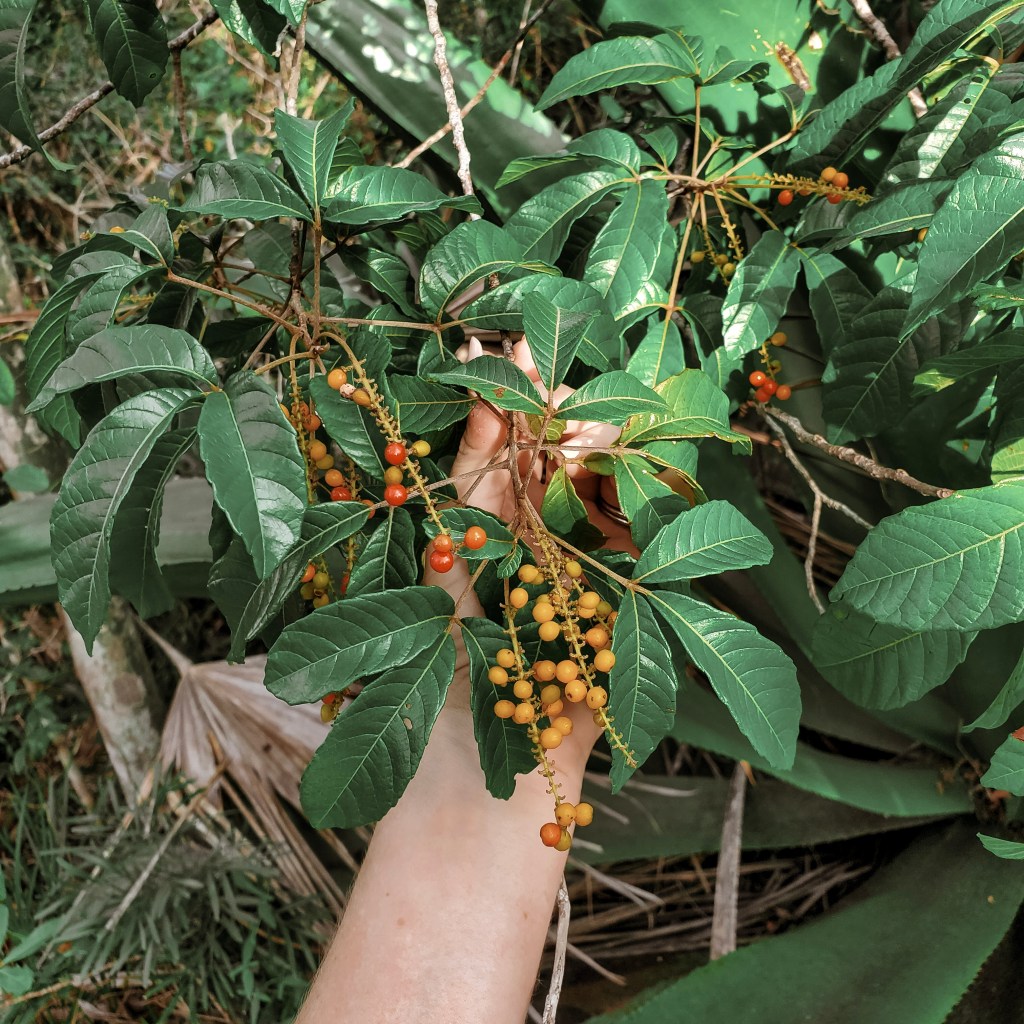
When embarking on any development project, knowing what habitats may be affected by your plans – including and protected species of plants or animals – can improve the sustainability of your project, streamline regulatory processes, and save you money.
Here are five reasons it’s important to do a terrestrial ecology or botanical survey:
1. Site your project suitably and sustainably
The Cayman Islands is home to a variety of incredible habitats, from mangrove wetlands to rocky forests dotted with sinkholes and caves. Knowing what habitats are on your property can help you determine the most suitable – and sustainable – location for your project, ultimately saving you time and money in the long-term.
2. Avoid regulatory delays
In some cases, such as projects scoped for an Environmental Impact Assessment, a terrestrial ecology survey may be a requirement as part of the baseline studies. Some trees in the Cayman Islands are protected by Tree Preservation Orders, while other plants and species are protected under the National Conservation Act. Knowing what protected species are on your property and where they are located can help streamline the regulatory process.
3. Save money on landscaping costs
Landscaping your development can costs tens of thousands of dollars and you are unlikely to be able to replace mature shade trees lost during construction with species of similar size and maturity. According to some estimates, the presence of mature trees can increase property values in an area by 4% to 20%. Save on your landscaping costs by incorporating existing plants and natural features into your development plans.
4. Protect biodiversity
The Cayman Islands is one of 14 UK Overseas Territories which, collectively, contain more than 90% of the biodiversity for which the UK is responsible under the Convention for Biological Diversity. As a signatory to the Convention, the Cayman Islands has a national mandate to protect its biodiversity. You can support this mandate by knowing what habitats and species are on your property and how best to manage your project to reduce impacts on local biodiversity.
5. Prevent property degradation
Healthy ecosystems provide a variety of services that benefit humans and our communities. Projects that disturb the natural balance of the environment can cause soil erosion, loss of biodiversity, and the degradation of these important ecosystem services. Knowing what habitats and species are on your property can inform your plans to maintain the health of your land in the long-term and prevent unintended impacts such as erosion or the spread of invasive species.

 caymanensis.com